The Amazing Race: Turn Your Classroom Into a Knowledge Competition Arena
How I transformed my disengaged class with a real-time leaderboard race. Students who never raised their hands now beg to answer questions. Here's the gamification technique that works.
'Ms. Powell! Our team is only 5 points behind the Dragons! Let me answer this one!' That was Marcus, a student who hadn't voluntarily spoken all semester. Since I introduced The Amazing Race into my classroom, even my most disengaged students have transformed. The real-time leaderboard projected on the screen has some kind of magic—no one wants to fall behind, and everyone wants to climb higher.
What Is a Classroom Race?
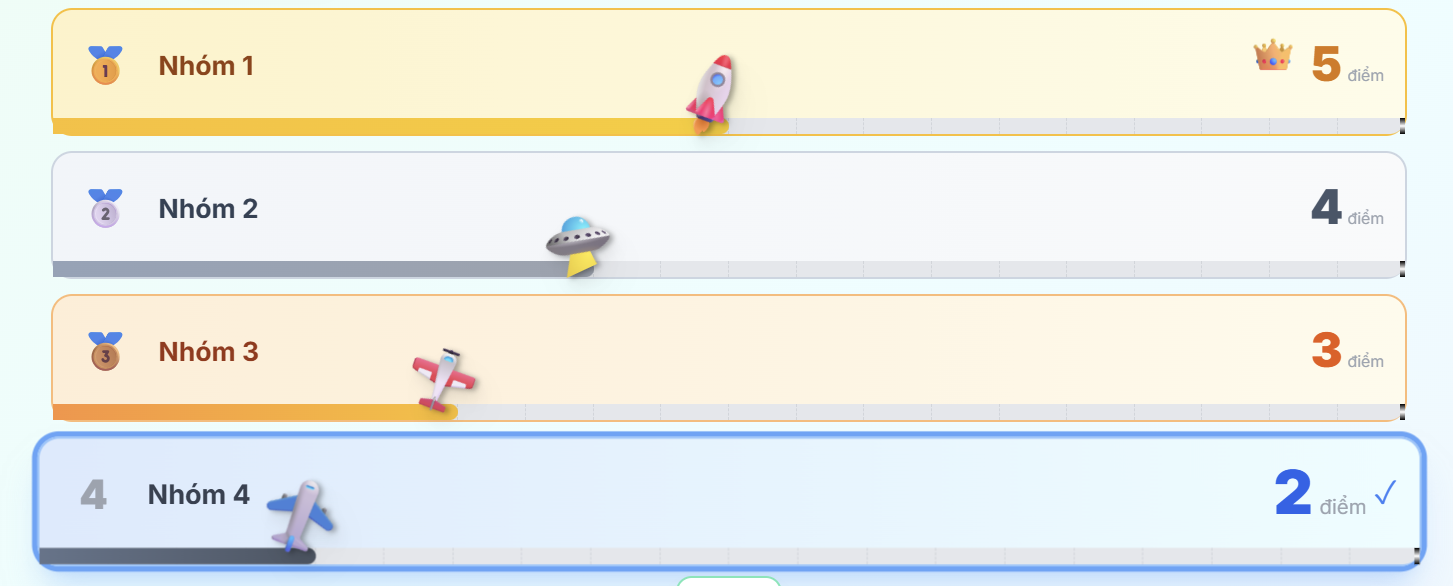
A classroom race is a gamified competition tool that creates real-time score tracking for student teams. Think of it like the Tour de France or a NASCAR race—but instead of cycling or driving, students 'race' by answering questions, completing tasks, and earning points.
How It Works
- •Divide class into teams (or run individual competitions)
- •Each team has a 'racer' on the visual track
- •Correct answers = move forward
- •Leaderboard updates instantly on the projector
- •First to the finish line (or most points by bell) wins!
The Psychology Behind Why It Works
Humans have an innate competitive drive. When we see ourselves 'losing,' we naturally push harder. When we're 'winning,' we fight to maintain position. This isn't manipulation—it's basic motivation psychology applied to education.
- •Loss aversion: People work harder to avoid losing than to gain
- •Social proof: Seeing peers engaged makes engagement normal
- •Immediate feedback: Points show progress in real-time
- •Team accountability: Not wanting to let teammates down
- •Variable rewards: Not knowing exactly when you'll score creates excitement
Before vs. After: My Classroom Transformation
Before the Race
- •Same 5 students answered every question
- •Back-row students disengaged, some sleeping
- •'I don't know' was the standard response
- •Review sessions felt like pulling teeth
- •Students asked 'Is this graded?' before trying
After Implementing Races
- •Students BEG to be called on
- •Teams huddle to discuss answers before responding
- •'Let me try!' replaced 'I don't know'
- •Review sessions feel like game nights
- •Students participate for the challenge, not just grades
Setting Up Your Classroom Race
Step 1: Choose Your Tool
- •Dedicated platforms: Sorokid's race tool, Classcraft, ClassDojo
- •Quiz games: Kahoot, Quizizz, Gimkit (have built-in leaderboards)
- •DIY options: Google Slides with manual point tracking
- •Physical boards: Magnetic race track on whiteboard
Step 2: Form Teams Strategically
Balance teams by mixing skill levels. Avoid friend-group teams (creates uneven competition). 3-5 students per team works best. Let teams choose fun names (Dragons, Lightning, etc.)
Step 3: Establish Rules
- •How points are earned (correct answers, bonus challenges)
- •What happens for wrong answers (no penalty vs. small deduction)
- •How teams decide who answers (rotate, volunteer, captain picks)
- •What the winning team gets (bragging rights? small prize?)
- •Sportsmanship expectations (no mocking other teams)
Step 4: Display Prominently
The leaderboard MUST be visible at all times during the race. Project it on the screen, keep it updated in real-time. The visual is crucial—it's what creates the competitive energy.
Race Formats That Work
The Sprint
10-15 minute race, 10-20 questions, winner determined by points at the end. Perfect for warmups or review sessions.
The Marathon
Race spans a full week or unit. Teams earn points daily, cumulative total determines winner. Creates sustained engagement over time.
The Relay
Each team member must answer one question before the team can 'pass the baton' to the next round. Ensures everyone participates.
The Knockout
Teams that miss questions lose points or get 'penalties.' Last team standing wins. Higher stakes, more intense energy.
Handling Potential Problems
'One student is carrying the whole team'
Require rotation: each team member must answer at least once before anyone goes twice. Or use the relay format where sequence is mandatory.
'Some students get discouraged when behind'
Add comeback mechanics: bonus questions worth double points, 'power-ups' for trailing teams, or shorter races so no one stays behind for long.
'Students focus on winning, not learning'
Require explanations, not just answers. 'Tell us WHY that's correct for full points.' Make learning the path to winning, not separate from it.
'Competition creates negative feelings'
Emphasize team competition over individual rankings. Celebrate good tries, not just wins. Vary teams regularly so rivalries don't calcify. Some classes may prefer collaborative challenges instead.
Not every student thrives on competition. Watch for stress signals, offer alternative participation paths for anxious students, and balance competitive activities with collaborative ones.
Beyond Points: Making It Meaningful
Connect to Learning Goals
The race should reinforce content, not distract from it. Use questions that matter. Debrief after races: 'What concepts did we practice today?'
Vary the Challenge Types
- •Quick recall questions (1 point)
- •Application problems (2 points)
- •Challenge questions (3 points)
- •Bonus creativity rounds
- •Team collaboration puzzles
Celebrate More Than First Place
Recognize most improved, best sportsmanship, best explanation, biggest comeback. Multiple pathways to recognition keep all students engaged.
My Favorite Race Moments
During our cell biology race, a student who typically struggles shouted the correct answer about mitochondria before anyone else. His team erupted in cheers. He later told me, 'I studied extra because I didn't want to let my team down.' Competition created internal motivation that grades never could.
Frequently Asked Questions
Won't this create too much noise and chaos?
Establish clear rules: teams discuss in whispers, one spokesperson answers, cheering happens only between questions. The energy is high but manageable with structure.
How often should I run races?
Once or twice per week maintains novelty without overdoing it. Save races for review sessions, not new content introduction. Overuse dilutes the excitement.
What prizes should the winning team get?
Small is fine: first pick of seats, line leader, homework pass, or simply bragging rights. The competition itself is the motivation—prizes are just frosting.
Ready to transform your classroom into an exciting learning arena? Sorokid offers free tools for classroom races, leaderboards, and team competitions. Watch even your most disengaged students lean forward when there's a race to win.
Try Free Race Tools