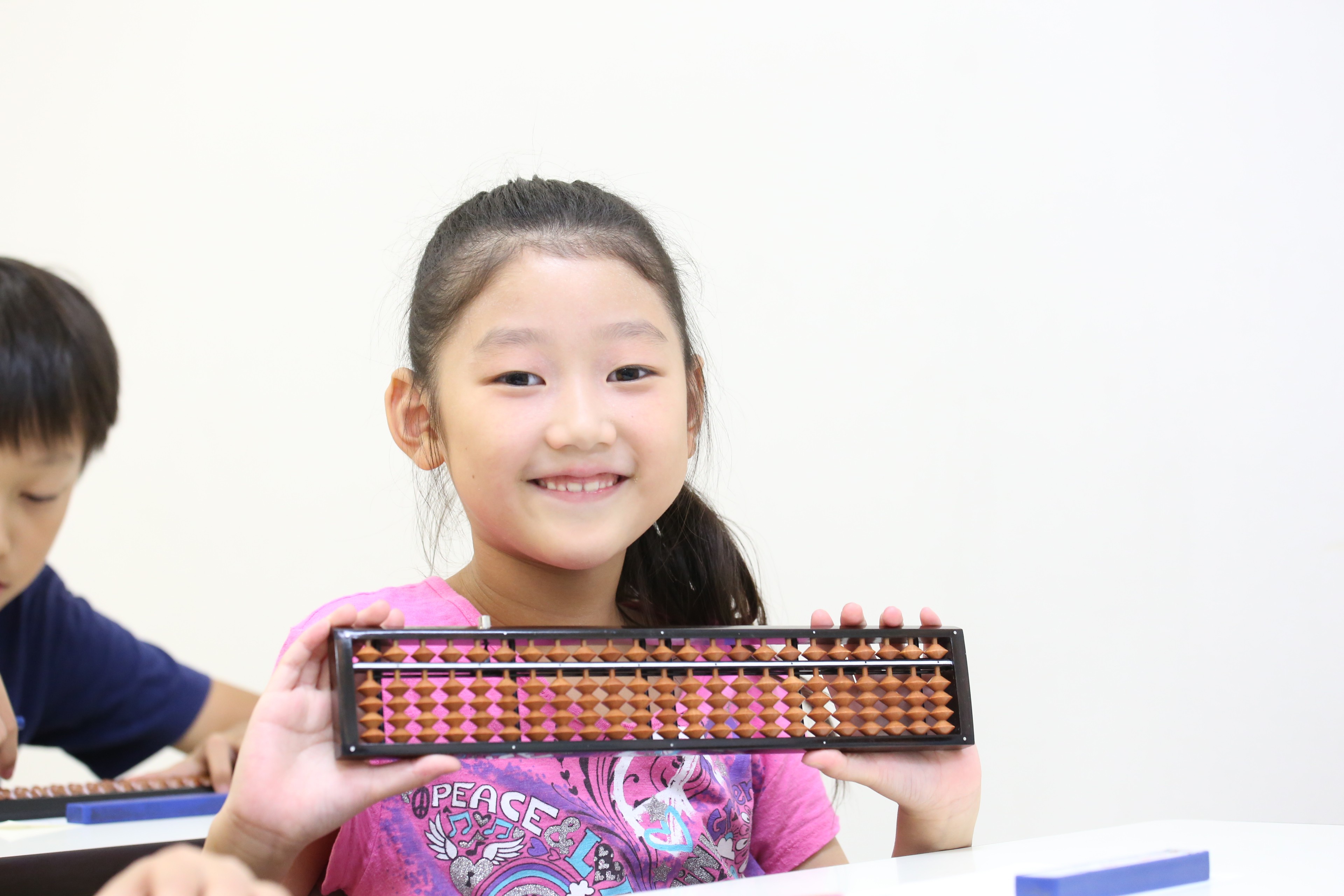
What's the Best Age to Start Soroban? I Started My Three Kids at Different Ages—Here's What I Learned
My oldest started soroban at age 9, my middle child at 6, and my youngest at 4. After watching all three learn, I now know the real answer to 'when should I start?'—and it's not what you'd expect.
I have three children: Emma (now 11), Noah (now 8), and Lily (now 6). Through a combination of curiosity and circumstance, I started each of them on soroban at very different ages—Emma at 9, Noah at 6, and Lily at 4. After watching all three navigate this journey, I've gained a unique perspective on the 'best age' question that every parent asks. The answer surprised me, and I think it'll help you make a much more informed decision for your own child.
The Short Answer (Then the Nuance)
The general consensus: Ages 5-8 is the 'sweet spot' for starting soroban. Young enough to develop strong mental visualization (anzan), old enough to have the necessary foundational skills. But readiness matters more than any specific age.
That's the standard answer—and it's broadly correct. But after living through three different starting ages, I've learned that the 'best' age depends heavily on your specific child and your family's goals. Let me walk you through what happened with each of my kids.
Lily's Story: Starting at Age 4
Lily was my youngest, and by the time she turned 4, her older siblings were both practicing soroban daily. She wanted to do what they were doing. I was skeptical—four seemed awfully young—but she was insistent.
What Worked at Age 4
- •Bead exploration: She loved physically playing with beads
- •Number recognition: Learned 0-9 through the soroban faster than traditional methods
- •Short sessions: 3-5 minutes maximum, entirely playful
- •Family activity: Felt included with older siblings
What Struggled at Age 4
- •Fine motor control: Beads were hard to move precisely
- •Abstract thinking: Understanding 'adding' vs. just moving beads
- •Sustained attention: Couldn't focus beyond a few minutes
- •Frustration tolerance: Gave up quickly when confused
We stopped formal practice after two months. It wasn't working—she was frustrated more than enjoying it. But here's the surprising part: when we restarted at age 5½, she picked it up incredibly fast. That early exposure wasn't wasted; it was pre-learning.
My takeaway on age 4: Don't force it. If your child shows intense interest and all readiness signs, gentle exploration can work. But most 4-year-olds aren't developmentally ready for structured learning—and that's completely normal.
Noah's Story: Starting at Age 6
Noah started in first grade. He knew numbers, could focus for 10-15 minutes, and had decent fine motor skills. This felt like the 'right' time—and it was.
What Worked at Age 6
- •Rapid skill acquisition: Learned basic techniques within weeks
- •Strong visualization development: Mental math developed naturally over months
- •Reasonable practice sessions: 15-20 minutes worked well
- •School reinforcement: Complemented what he was learning in class
Challenges at Age 6
- •Competing interests: Had to balance with other activities
- •Occasional resistance: 'I don't want to today' was common
- •Comparison: Sometimes compared himself to older sister
Two years later, Noah is my strongest anzan (mental calculation) performer. He can visualize the soroban in his head and calculate 3-digit numbers mentally. His brain was at that perfect neuroplasticity stage where visualization habits form easily.
My takeaway on age 6: This is genuinely a sweet spot. Old enough to handle structured learning, young enough for exceptional visualization development. If you're wondering when to start and your child is 5-7, now is probably a great time.
Emma's Story: Starting at Age 9
Emma was my 'late starter.' We discovered soroban when she was already 9. I worried we'd missed the window. Was it too late?
What Worked at Age 9
- •Rapid initial progress: Maturity meant faster technique acquisition
- •Independent practice: Could self-direct without constant supervision
- •Verbal understanding: Could articulate what she was doing and why
- •Motivation: Understood the 'why' behind practice
Challenges at Age 9
- •Visualization ceiling: Anzan development plateaued earlier
- •Established habits: Had to 'unlearn' some traditional mental math
- •Schedule pressure: More homework, more activities, less time
- •Fixed mindset risk: 'Maybe I'm just not a math person' was already there
Emma can use a physical soroban excellently and does some mental calculation. But she never developed the strong visualization that Noah has. She'll close her eyes and try to 'see' beads, but it doesn't come as naturally. The techniques she learned are still valuable—she's faster at mental math than before—but the ceiling is lower.
My takeaway on age 9: Absolutely NOT too late. Emma benefits enormously from soroban. But if anzan (mental visualization) is your primary goal, starting younger gives a significant advantage.
The Science: Why Age Matters (And Doesn't)
Let me explain what's actually happening developmentally:
Brain Plasticity and Visualization
Young brains are exceptionally plastic—they form new neural pathways easily. The mental visualization required for anzan (imagining and manipulating a soroban in your mind) relies on creating these pathways. Before age 8-9, this happens almost automatically with practice. After, it's still possible but requires more deliberate effort and may not reach the same level.
Foundational Skills Required
On the flip side, soroban requires certain foundations:
- •Number recognition: Knowing 0-9 by sight
- •Counting ability: At least to 20, preferably higher
- •Fine motor control: Precise bead movements
- •Sustained attention: 10-15 minutes of focus
- •Following sequences: Multi-step instructions
Most 5-year-olds have these. Most 4-year-olds don't. Hence the 'start at 5' recommendation.
Learning Efficiency vs. Learning Ceiling
Older starters learn FASTER (higher efficiency) but may hit LOWER ceilings (particularly for visualization). Younger starters learn SLOWER initially but have HIGHER potential ceilings. Both can become very proficient; the paths differ.
Age-by-Age Breakdown
| Age | Readiness Level | Recommendation |
|---|---|---|
| 3-4 | Usually too early | Play with toy abacus only. Don't push structured learning. |
| 5 | Good starting point | If all readiness signs present. Keep sessions short (10 min). |
| 6-7 | Ideal / Sweet spot | Optimal balance of plasticity and capability. |
| 8 | Still excellent | Strong starting age. Visualization still develops well. |
| 9-10 | Good | Can learn effectively. Anzan may plateau earlier. |
| 11+ | Possible | Benefits remain real. Visualization development less likely. |
Readiness Signs (More Important Than Age)
Regardless of chronological age, look for these indicators of readiness:
Signs Your Child IS Ready
- •✅ Recognizes written numbers 0-9: Can identify them on sight
- •✅ Can count to at least 20: Understands number sequence
- •✅ Has reasonable fine motor control: Can draw, use scissors, button shirts
- •✅ Can focus for 10+ minutes: On a task they're interested in
- •✅ Shows curiosity or willingness: Not resistant to trying
- •✅ Can follow 2-3 step instructions: Sequential thinking developing
Signs to Wait
- •❌ Doesn't reliably recognize numbers yet: Foundation isn't there
- •❌ Can't sit still for 5 minutes: Attention span too short
- •❌ Strongly resists anything 'school-like': Will create negative association
- •❌ Significant fine motor delays: Frustration will dominate
- •❌ Currently overwhelmed: Already struggling with other challenges
A ready 8-year-old will progress faster and enjoy learning more than an unready 5-year-old pushed too early. Readiness trumps age every time.
What If You've 'Missed' the Optimal Window?
If your child is 10, 11, or older, you haven't 'missed' anything. You've just shifted goals:
- •Physical soroban skills: Develop fully at any age
- •Calculation speed improvement: Happens at any age
- •Math confidence building: Happens at any age
- •Understanding place value deeply: Happens at any age
- •Strong anzan visualization: Less likely to develop fully, but some mental math improvement is still typical
My daughter Emma started at 9 and still uses soroban. She's better at mental math than before, enjoys math more, and has a tool she can use for life. That's a win—even without elite-level anzan.
My Recommendations by Situation
If Your Child is 4 and Interested
Let them play with a soroban toy. Keep it 100% playful with zero pressure. 5 minutes max. Stop immediately if resistance appears. Don't call it 'learning' or 'practice.' Reassess in 6-12 months.
If Your Child is 5-7 and Ready
Start now. This is the optimal window. Begin with 10-15 minute sessions. Expect slow initial progress—that's normal. Focus on enjoyment over achievement. Consistency matters more than intensity.
If Your Child is 8-10
Also start now—you're still in a great window. Expect faster technique acquisition than younger children. Be realistic about visualization potential. Emphasize practical benefits over competition-level anzan.
If Your Child is 11+
Still worth starting if interested. Focus on practical calculation skills. Don't expect competition-level anzan. Celebrate every improvement. The tool remains useful regardless.
FAQ: Age-Related Questions
My child is 10. Have we missed the window?
No. The 'window' for elite anzan closes around 8-9, but the window for learning soroban and improving mental math never closes. Your child will benefit—just with different expectations.
Should I start at 4 if my child seems ready?
Only if ALL readiness signs are present and they're showing genuine interest. Keep it extremely playful and short. Stop if there's any resistance. There's no prize for starting earliest.
Is it better to start at 5 or wait until 7?
Both are excellent ages. Starting at 5 gives more years of practice. Starting at 7 means faster initial progress due to maturity. Either works wonderfully—don't overthink it.
Whether your child is 5 or 10, Sorokid adapts to their level. Our app meets children where they are and grows with them—because it's never too late to build math confidence.
Start Free Trial