My Husband Knows Nothing About Soroban – Yet He's Our Kid's Best Study Buddy
He doesn't know what a '5-complement' is. But the way he supports our daughter is more effective than I expected. Here's what he does differently.
When I decided to have my daughter learn Soroban, my husband asked: "Do you know Soroban?" I said no. He didn't either. We both worried: if we don't know it, how can we help her? Turns out that worry was unnecessary.
Our Initial Worry
I used to think: to teach a child something, I need to know it first. So when starting my daughter on Soroban, I planned to learn it myself beforehand.
But then I realized: I don't have time. Work, housekeeping, two kids – where's the time to sit and learn Soroban?
The Surprising Discovery
When my daughter started using the Sorokid app, I noticed: the app teaches step by step. There are videos, instructions, exercises. I don't need to know anything – the app handles everything.
My role is simply: remind her to practice, check how far she's progressed, and praise her when she improves.
If you're worried because you don't know Soroban, don't be. You don't need to become an expert for your child to learn.
What My Husband Does
My husband – who knows nothing about Soroban – is actually the one who "helps" our daughter more than I do. But "helping" here doesn't mean teaching.
- •Mornings: Reminds her: "Have you done your Soroban today?"
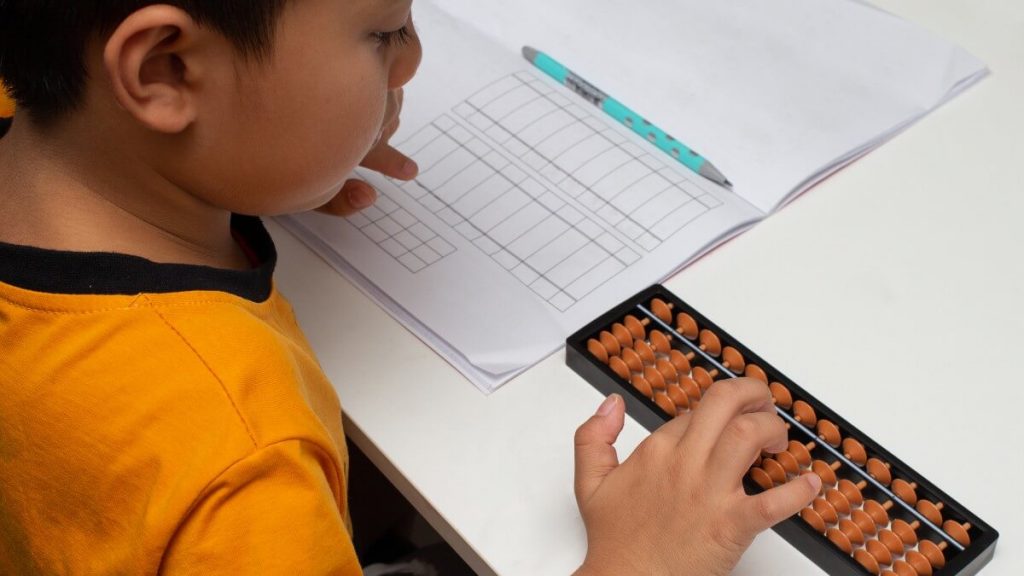
- •During practice: Sits nearby, says nothing, just "being there" so she knows someone cares
- •After practice: Asks: "How many stars did you get today?" then praises her
- •Weekends: Reviews progress reports, proudly shows grandparents
When She Asks Hard Questions
Sometimes she asks: "Dad, what's a '5-complement'?" My husband doesn't know. He says: "Dad doesn't know. Can you teach me?"
And she explains it to him. This has two benefits: she reviews the concept, and she feels "smarter than Dad" at something – great for confidence.
What Parents Actually Need to Do
After several months, I realized: parents don't need to know Soroban. We need to do other things that matter more:
- •Build habits: Set a fixed practice time, she'll remember automatically
- •Be present: Don't need to teach, just need to be there
- •Praise the right way: Praise effort, not just results
- •Don't compare: She improves against her own past, not against others
- •Be patient: Results come gradually, don't rush
You don't need to be a great Soroban teacher. You just need to be a caring parent. The app and curriculum will handle the rest.
Results After 6 Months
My daughter has been learning Soroban for 6 months. I still don't know Soroban (except a few basic concepts she taught me). My husband doesn't either.
But she calculates mentally faster than both of us now. She's more confident with math. And she enjoys learning – no one needs to force her.
That's a better result than if I had tried to learn Soroban myself and sat with her every day.
Why This Approach Works Better
Less Pressure
When I tried to "teach," I'd correct every mistake. "No, not that bead." "You forgot to carry." It created pressure.
When Dad sits with her, he has no idea if she's right or wrong. So he just celebrates effort. "Wow, that's fast!" "You remember all those steps?"
Kids Learn by Teaching
Research shows kids remember 90% of what they teach others. When my daughter explains Soroban to Dad, she's actually reinforcing her own learning.
App Handles the Hard Part
The app shows each step, gives instant feedback, tracks progress. It's a better teacher than most parents could be. Our job is just cheerleading.
Tips for Busy Parents
- •You don't need to sit with them: Just remind, check progress later
- •5 minutes of attention > 0 minutes: Even a quick "How'd it go?" matters
- •Let the app do the teaching: Your job is motivation, not instruction
- •Celebrate small wins: "You got 3 more stars than yesterday!"
- •Check progress weekly: Review reports on weekends to stay informed
Sorokid is designed for children to self-learn while parents just monitor progress. Try it free to experience it yourself.
Try Free